Typhoon Mambo
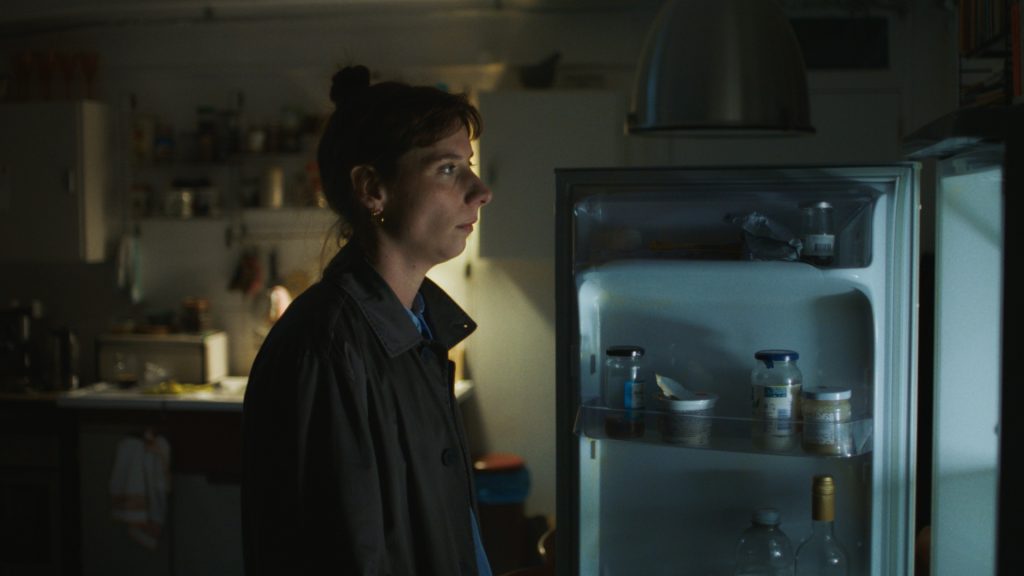
Typhoon Mambo opens on the image of a white plastic AI chatbot, its eyes blinking red, placed atop the glass case that shelters a Buddha statue. Who is looking, and what is seen? A world unfolds. The house of Rusmee —a widow still interacting with the AI chatbot that carries the data of Chalerm, her late husband. One object amidst other household things: a back cushion, a wooden chair, a cloth bag, picture frames, books yet to be put away, a vase, souvenirs, skin cream, a water bottle, cups, a half-eaten bowl, toilet paper strewn across the bed, a hula hoop, old cardboard boxes, plants on the porch. An almost singular interior, swept by the camera in a slow, steady, mechanical rhythm. The enclosure of space, of people and things, as if something were being held back. The camera moves as though performing the act of cleaning, gently, unhurriedly, one object after another in the house, on and on, endlessly.
States of contrast and simultaneity layer upon one another. The more romantic, the more amorous the lyrical songs or conversations the AI chatbot has with Rusmee, as in television melodramas, the more its voice betrays itself as a machine’s. The more palpable the absence, the starker the loss. The machine voice, laden with the husband’s memory, becomes a sonic atmosphere, setting the tempo of the space, enveloping the solitary reality of the wife left behind.
The world of the film seems to have frozen, and then, gradually, it thaws. The melting unfolds slowly, subtly. The whole film holds at once the solidity of ice and the fluidity of water, one state passing imperceptibly into the other. What has melted seeps across the surface of the space, only to be absorbed back into that very space.
Rarely does the human body appear in the film in its entirety, but rather in parts, in angles — faces and bodies seen askew, sideways, from above: the gaze of the machine eye. The eyes of every recording apparatus that has ever looked upon human beings. Most of the time, it observes. States of mind surface through space and body. What, then, is lacking in such a way of seeing? The sense of the body? The impossibility of touching people?
This leads us back to the opening image, to the question of seeing. Awareness of another’s gaze is tied to awareness of our own presence, and, above all, to the longing to be close to another. Under the machine eye, is Rusmee Rusmee? When Fa, the husband’s former caretaker, arrives at the house earlier than expected, the first thing Rusmee says is that she should have had time to put on makeup.
Two women, one in the final stretch of life, the other at its threshold. In this symmetry of age, they resemble each other more than appearances suggest. A shared concern with how they look. A shared absence of the men they are attached to. Ironically, in both cases that absence is made present only indirectly, through machines — Rusmee’s dead husband through the AI chatbot, Fa’s faraway boyfriend through the phone. When a person or a relationship has been lost, or is lacking, what kind of existence is memory alone, dispersed as it is through data, through objects, through rooms, across so many different mediums? Rusmee tells Fa that nowadays there are “gadgets to play with”, so they are luckier than the generation before. Yet can any medium truly fill the void and fulfill human desires?
In a singular scene staged as if in a theater, Rusmee and Fa share a duet of choreography, their voices and bodily movements accompanying heartfelt words like a mutual act of care — a sharing in which they become as one, each the reflection of the other, together soothing and releasing.
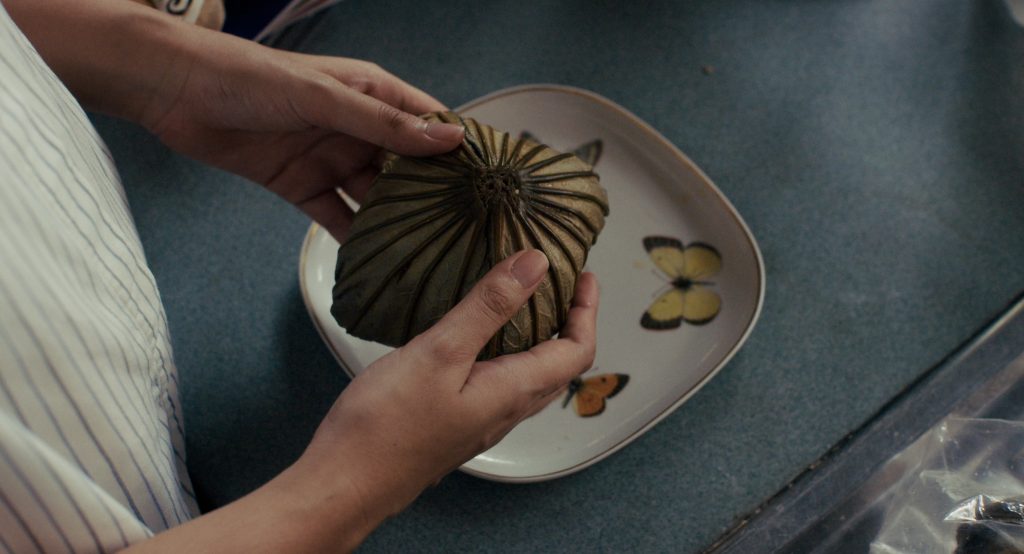
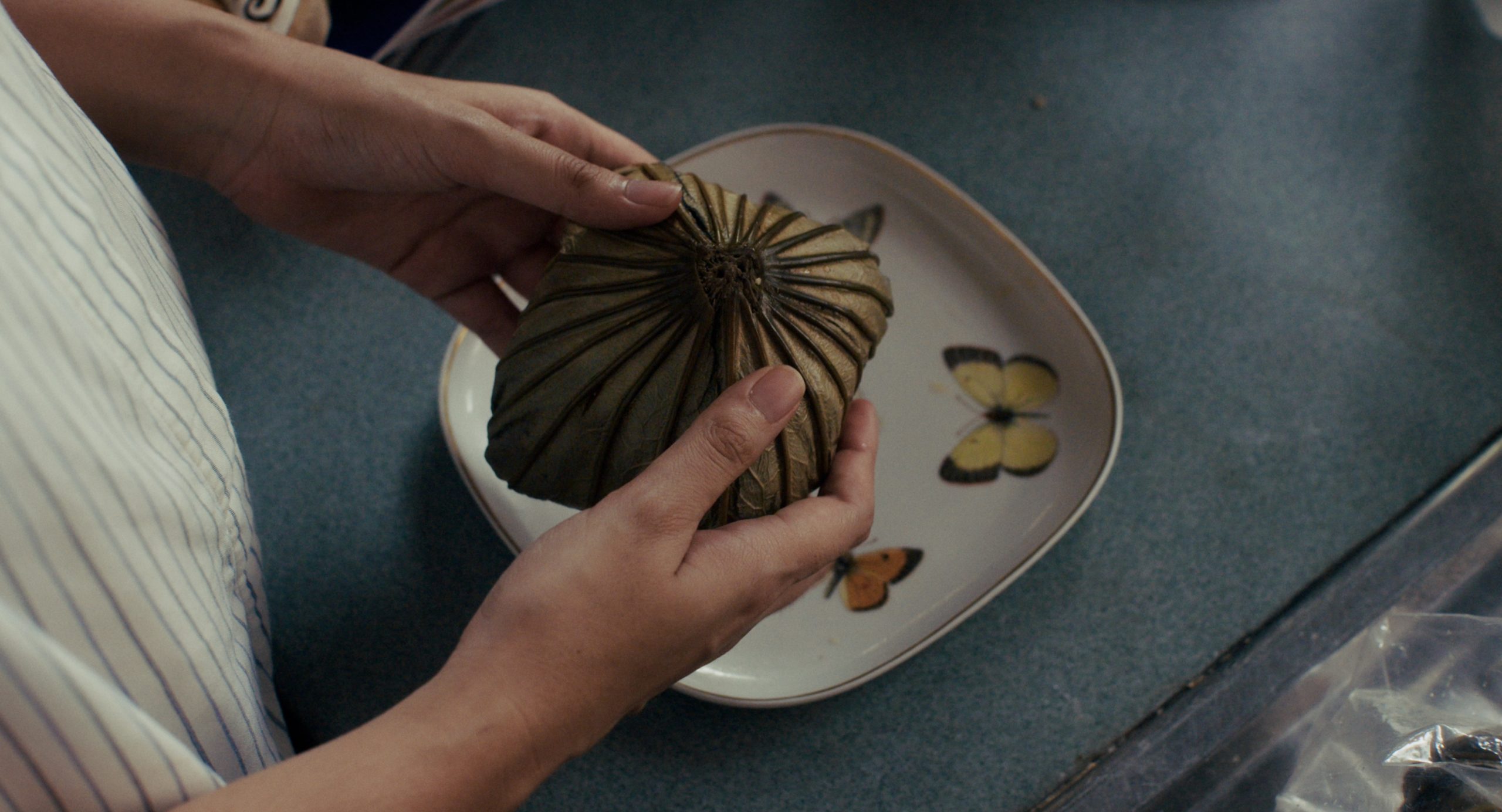
The AI chatbot can write love songs and poems to console, until the moment its data needs resetting. In the house, Rusmee collects butterfly specimens and large close-up photographs of flowers cut from magazines. The curtains stir gently in the breeze of the household fan.
***
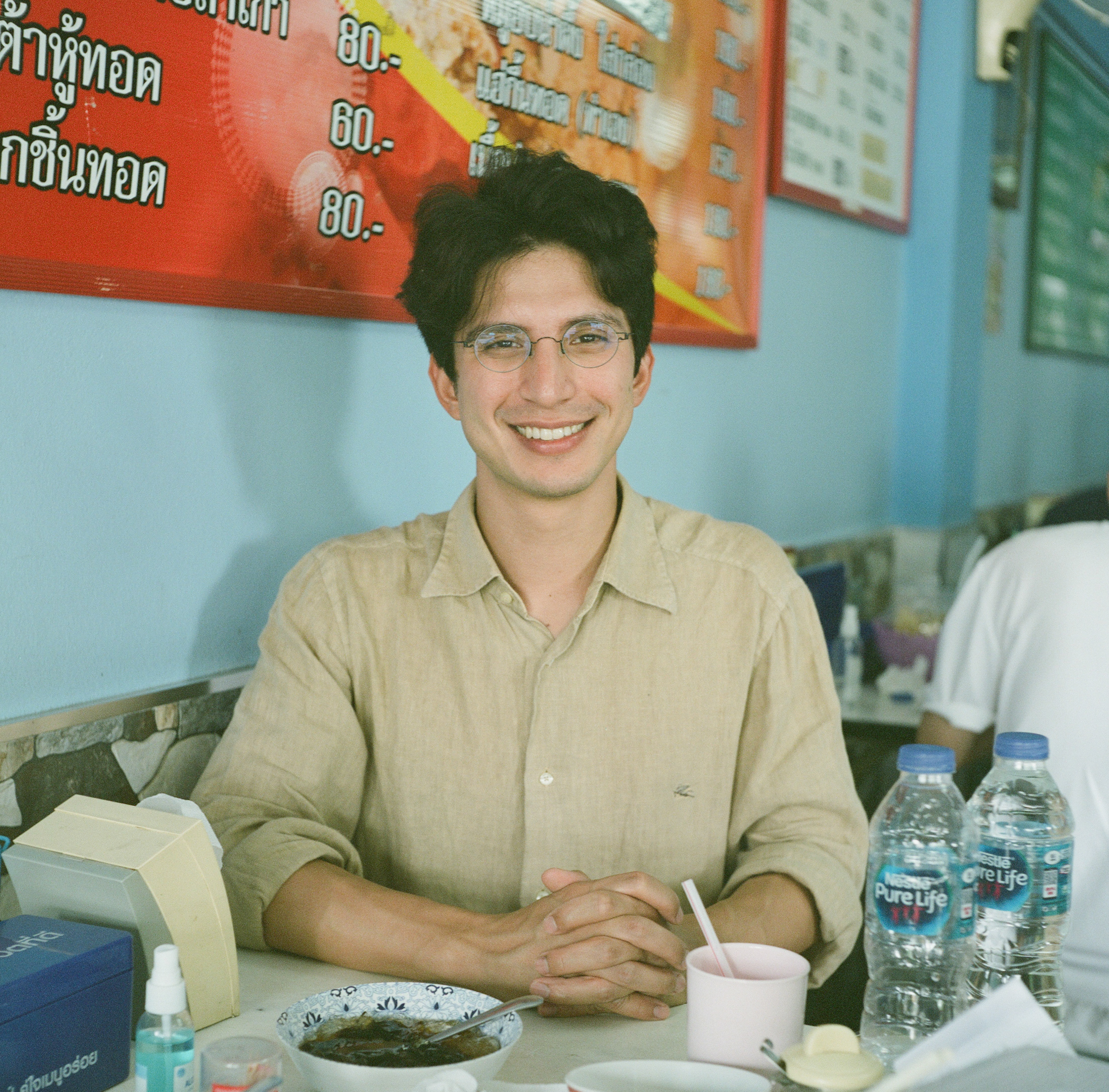
Trương Quế Chi is a Hanoi-based artist and curator with an M.A. in Film Studies from the Sorbonne Nouvelle University. She co-curates Như Trăng Trong Đêm (Like the Moon in the Night Sky), a multi-edition film program by Hanoi’s TPD Film Centre focusing on Vietnamese cinema heritage, running since 2020. She has also worked with various international organisations and festivals in showcasing moving image works from and in relation to Vietnam.