Meet the Expert: SEAnema, Helping Filmmakers Navigate Southeast Asia’s Film Landscape
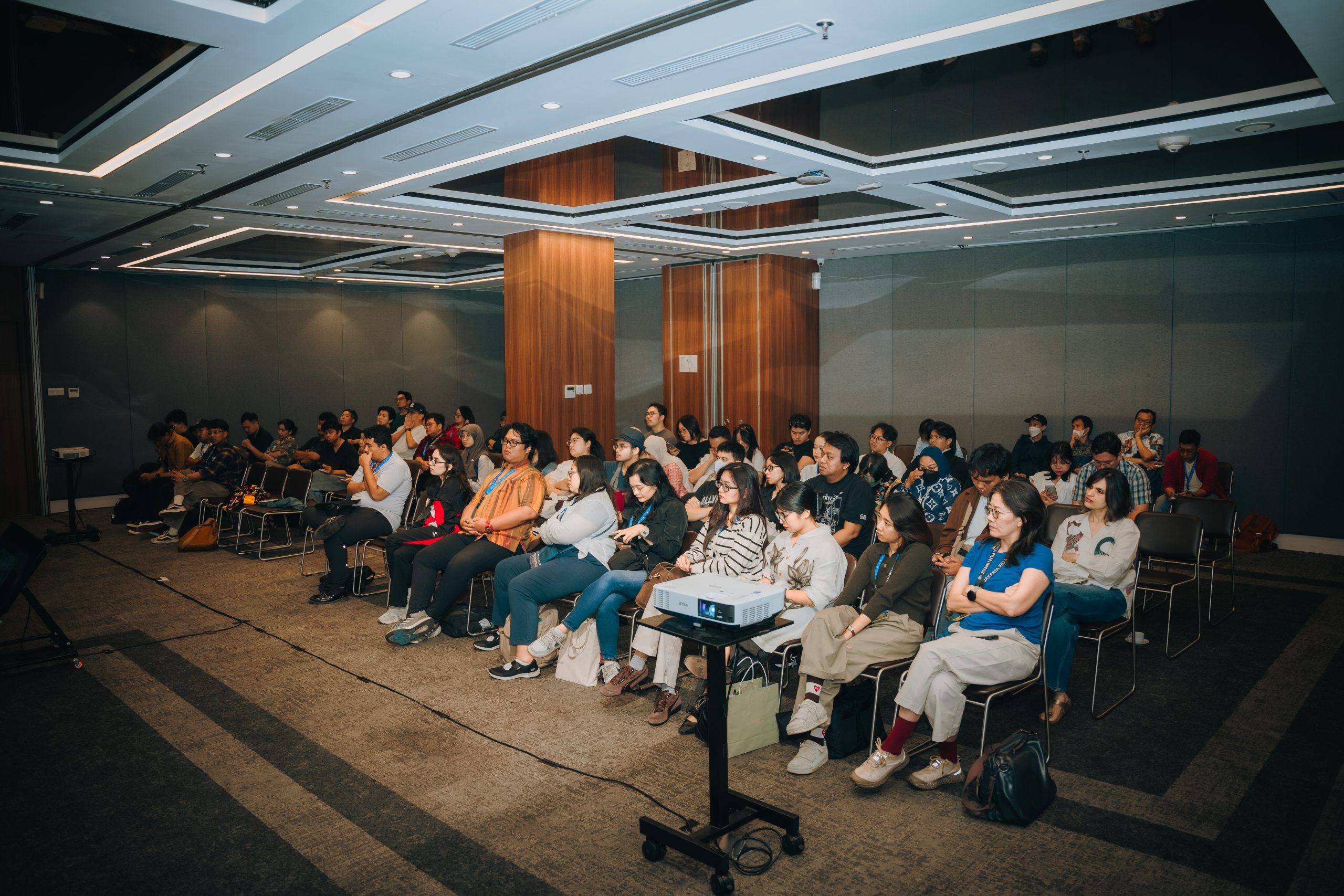
Jakarta, October 21, 2026 — On the first day of Jakarta Film Week (JFW) 2026, the festival hosted Meet the Expert: SEAnema, part of the JFWNET industry program, at the Jakarta Film Commission (JFC) on Wednesday morning, October 21. The program was designed to give filmmakers first-hand insights into the ecosystem and evolving landscape of the Southeast Asian film industry.
The session featured an in-depth discussion with renowned film critic Kong Rithdee and film producer and programmer Yuni Hadi, who shared their perspectives on cinema and film festivals. Representatives from several festivals also took part, including Ryan Spencer Sebastian of IMAC Festival, Juan Hendry of Festival Film Jelek, Anggraheni Widhiasih of Next Scene, and Lingkan Bella of 100 Persen Manusia. The gathering provided a space to exchange experiences, discuss the challenges of developing film festivals, and strengthen connections among festivals, filmmakers, and audiences.
During the discussion, Kong Rithdee explained how Thailand’s film industry has been shaped by the history of colonialism in Southeast Asia.
“Although each country has a distinct historical trajectory, a comparative approach allows us to examine how historical legacies and social structures influence the ways societies tell their own stories,” Kong explained.
Yuni Hadi also shared insights into filmmaking practices in Singapore and other ASEAN countries, offering perspectives for Indonesia’s film ecosystem to reflect on, particularly in building stronger connections with the global cinema community.
“Film programming serves a purpose beyond simply deciding which titles to screen. Curation is also the process of building connections between works, their contexts, and their audiences,” Yuni said.
Through film selection, festival organizers can introduce different social experiences, connect works from diverse cultural backgrounds, and encourage conversations about issues that transcend geographical boundaries.
“Films rooted in local contexts can take on new meanings when presented to audiences in other countries. Documentation, film archives, and the preservation of audiovisual works allow future generations to study the development of cinema while revisiting the histories that have shaped it,” Yuni added.
Across Southeast Asia, film archives, festivals, and curatorial programs can form a mutually supportive network. Collaboration between institutions creates opportunities for films to cross national borders, while the exchange of knowledge enriches how each participant understands the region’s cinematic history and development.
Writer: Dwi AN dan Aufa Rafi